
გლობალური: ვერცხლისფერი ნადები ხშირად ჩნდება შენახვაში 3-4 თვის შემდეგ, როდესაც ტენიანობა 90%-ზე მეტია.
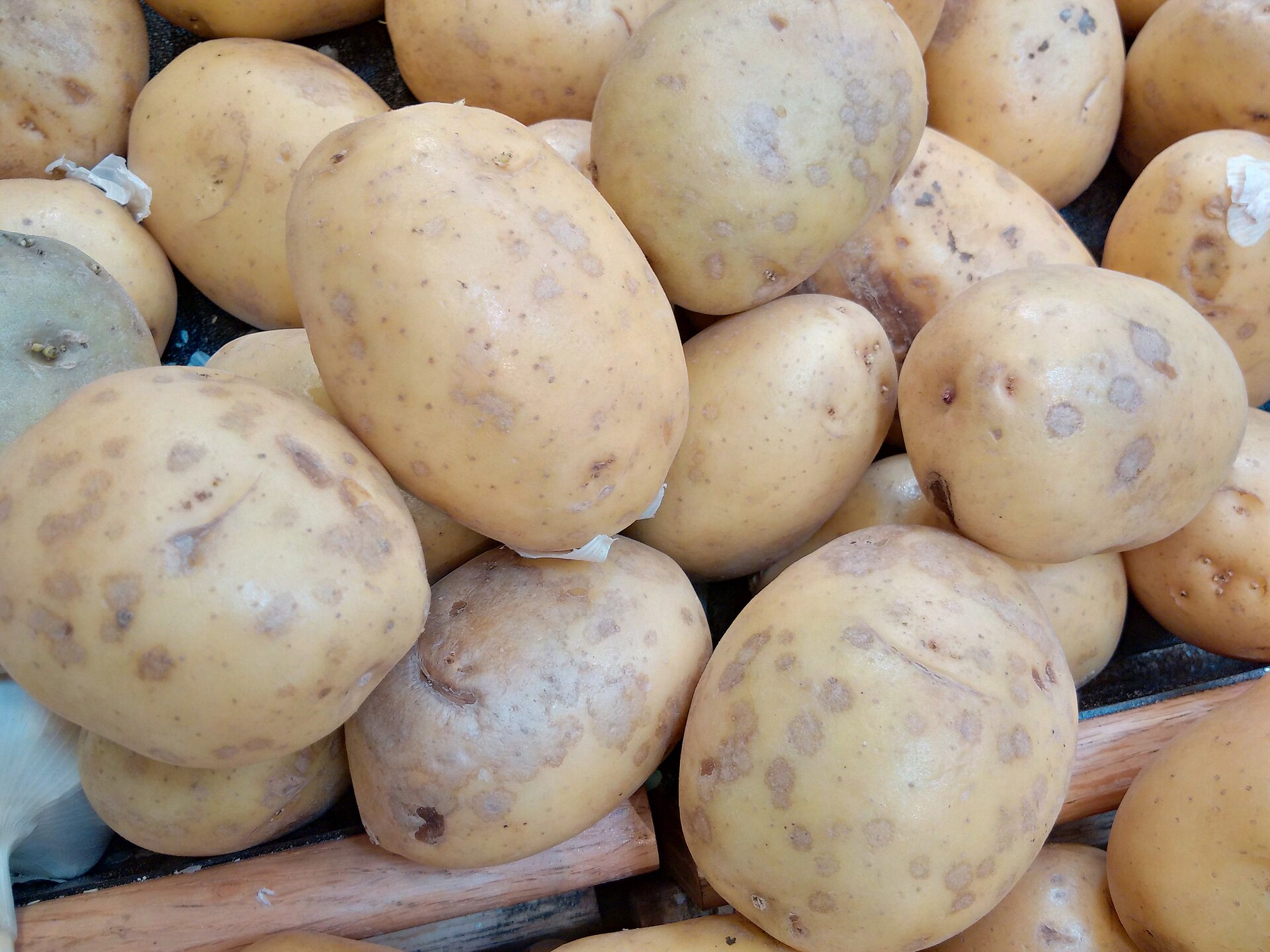
ძირითადი მიღება
- 3–4 months in store before silver scurf symptoms show
- 90% humidity or higher favours silver scurf development
- 0.5°C per day pull-down is advised to slow the disease
- 3 years out of potatoes is the rotation advised in PNW
რატომ არის მნიშვნელოვანი
- ფერმერებისთვის
- დაგეგმეთ სწრაფი აწევა შემდეგ haulm ვერცხლისფერი ნადებისკენ მიდრეკილ მინდვრებში სიკვდილის თავიდან აცილება და კონდენსაციის თავიდან აცილება ჰაერის ტუბერებზე ოდნავ გრილი შენარჩუნებით.
- ტრეიდერებისთვის
- ახალი წლის შემდეგ გარეცხილი საცალო ვაჭრობის პროგრამებისთვის განთავსებამდე შეამოწმეთ შენახული პარტიების კანის საფარი.
- მომწოდებლებისთვის
- Offer seed lots with a silver scurf test result and advice on seed treatment registered in the buyer country
60-წამიანი შეჯამება
Silver scurf is a slow store disease that mainly hurts washed and packed potatoes, because buyers judge them on skin finish. Guidance from Maine and the US Pacific Northwest agrees that humidity over 90% favours the fungus and that blemishes tend to show after three to four months in storage, around the time many lots are washed for retail. Warmth above roughly 3 to 4°C and, above all, condensation on tubers help it spread. AHDB in Britain recommends cooling at about half a degree per day and cleaning stores every season, while Wisconsin pathologists urge prompt lifting after vine kill. The awkward point is that high humidity is also needed to limit weight loss, so managers must avoid free water rather than dry the air. Packers, seed buyers and store operators should all watch this. The sources give no loss percentages, so the economic impact depends on each market and grade standard.
Silver scurf is a skin disease of potato caused by the fungus Helminthosporium solani. It leaves silvery, shiny patches on the tuber skin. The damage is cosmetic, but washed and packed potatoes can lose their market grade.
Symptoms often develop in store. The Pacific Northwest Plant Disease Management Handbook says symptoms begin 3 to 4 months after storage. University of Maine Cooperative Extension says symptoms can appear after about four months of storage. Both sources say that high humidity above 90% favours the disease.
Temperature and humidity in store
The Maine bulletin names temperatures greater than 38°F, or 3.3°C, as favourable for silver scurf. The Pacific Northwest handbook says storage below 40°F, or 4.4°C, slows disease development. Cooler temperatures, lower humidity and good ventilation all retard the disease, according to Maine.
სამუშაო დღეებში. გამოწერის გაუქმება ერთი დაწკაპუნებით.
This creates a conflict for store managers. Potatoes need high humidity to limit weight loss. Silver scurf prefers the same conditions. Condensation is the biggest problem, according to the levy board AHDB in the United Kingdom. It forms when warm air meets cooler tubers.
AHDB suggests rapid temperature pull-down of 0.5°C per day to hold back the disease. It also advises routine annual store cleaning.
მინდორში
The longer tubers stay in the soil, the more likely silver scurf becomes a problem, AHDB said. Early lifting can reduce incidence. The University of Wisconsin potato pathology team made a similar point in September 2025. It advised harvesting promptly after vine desiccation to limit both silver scurf and black dot.
Infected seed is a key source of the disease. The Pacific Northwest handbook recommends rotating out of potatoes for at least three years. The Maine bulletin says the pathogen can survive in soil for up to two years without potatoes. Seed treatments and treatments at harvest into store are available, but registrations differ by country.
რატომ არის მნიშვნელოვანი
Packers are strict on skin finish. A crop that looks clean at loading can fail inspection in January or February. That is when many stored lots are washed for retail.
The practical steps are simple. Lift promptly after haulm death, cool quickly, avoid condensation and clean the store every year. Seed buyers should check silver scurf levels before planting.
Photo: Silver scurf (Helminthosporium solani) on a potato tuber (illustrative). Scot Nelson / ვიკიპედია, CC0
გლობალური კარტოფილის მიმოხილვა
ხუთი საუკეთესო სიახლე, ფასები, დაავადებების შესახებ შეტყობინებები და ღონისძიებები. სამუშაო დღეებში დილაობით, რეკლამის გარეშე.
წყაროები
- University of Maine Cooperative Extension — Bulletin #2444, Silver Scurf of Potato — https://extension.umaine.edu/publications/2444e/
- Pacific Northwest Plant Disease Management Handbook — Potato: Silver Scurf — https://pnwhandbooks.org/plantdisease/host-disease/potato-solanum-tuberosum-silver-scurf
- AHDB — Silver Scurf — https://potatoes.ahdb.org.uk/knowledge-library/silver-scurf
- University of Wisconsin–Madison Vegetable Pathology — Late-Season Management of Black Dot and Silver Scurf (7 Sep 2025) — https://vegpath.plantpath.wisc.edu/2025/09/07/late-season-management-of-black-dot-and-silver-scurf-in-wisconsin-potatoes/
ბმული ამ მასალაშია
- ქვეყანა
- მსოფლიო
- განყოფილებები
- სიახლეები - HUASHILსაწყობებიროპის დაცვა
დაკავშირებული ისტორიები

გლობალური: Fusarium მშრალი ლპობა შეიძლება შენახული კარტოფილის 6–25%-ის დაღუპვას იწვევდეს, რადგან ძველი ფუნგიციდები ეფექტს კარგავენ

გლობალური: გაჟონვისა და ვარდისფერი ლპობის რისკი იზრდება, როდესაც კარტოფილი 18°C-ზე მაღალ ტემპერატურაზეა მოყვანილი.


