Iran: Potato Statistics Diverge, With FAOSTAT at 2.92 Mt for 2024
ძირითადი მიღება
- 2.92 Mt of potatoes produced in Iran in 2024, per FAOSTAT
- 32% fall in Iranian output since 2010, according to FAOSTAT
- 17.2% of Iranian potato output came from Hamedan, 2016-20
- 950,000 t of Iranian potatoes exported in 2020, per a study
რატომ არის მნიშვნელოვანი
- ტრეიდერებისთვის
- Do not rely on one production series; compare FAOSTAT with Iranian ministry data and track the export ban status before committing to Iranian supply.
- მომწოდებლებისთვის
- Focus seed and input offers on Hamedan and Ardabil, which together supplied about one-third of output in 2016–2020 and include the highest yields.
- ინვესტორებისთვის
- Treat Iranian potato export capacity as policy-dependent; the March 2026 ban shows that flows to Afghanistan and Iraq can stop without notice.
60-წამიანი შეჯამება
Two statistical pictures of Iranian potatoes exist, and they point in different directions. FAOSTAT shows 2.92 million tonnes in 2024, roughly a third less than in 2010, at 32.3 tonnes per hectare. A 2022 Iranian study based on national data reported about 149,000 hectares and 4.1 to 5.5 million tonnes a year between 2006 and 2020. That study also mapped the geography: Hamedan, Ardabil and Isfahan led, and ten provinces grew 82 percent of the crop. Domestic demand was put at 45 kg per person, leaving a surplus that fed exports of about 950,000 tonnes in 2020, mostly to Afghanistan and Iraq. Importers in the region and traders pricing Central Asian supply care most. Policy adds risk, as Iran halted all agri-food exports in March 2026. The caveat is that neither dataset is fully verified, the gap between them is unexplained, and the export figures end in 2020.
Iran produced 2.92 million tonnes of potatoes in 2024, according to FAOSTAT. The same database records 4.28 million tonnes for 2010. On these figures, output fell by about 32%.
FAOSTAT gives an average yield of 32.3 t/ha for 2024. That implies a harvested area of about 90,500 hectares.
National data tell a different story
Iranian research gives much higher numbers. A 2022 study in the Agricultural Marketing and Commercialization Journal analysed the market until 2021. Its authors, Khorami and Hasani Moghadam, used national statistics. They reported about 149,000 hectares in 2020 and an average yield of 37.1 t/ha. They also cited production of 4.1 to 5.5 million tonnes between 2006 and 2020.
სამუშაო დღეებში. გამოწერის გაუქმება ერთი დაწკაპუნებით.
The gap between the two sources is large. It may reflect different survey methods or missing official reports to FAO. Users of the data should compare both series before drawing conclusions. The trend direction is also uncertain: FAOSTAT shows decline, while the national series shows a stable crop.
A concentrated, export-oriented crop
The same study shows strong regional concentration. Hamedan supplied 17.2% of output in 2016–2020. Ardabil supplied 15.8% and Isfahan 8.6%. The top ten provinces produced 82% of the crop. Hamedan also had the highest yield, at 44.6 t/ha.
Consumption was estimated at 45 kg per person per year. The study found a surplus of about 1.1 million tonnes for 2021. Exports reached about 950,000 tonnes in 2020, up 83% on 2019. Afghanistan took 41% of that volume, Iraq 24% and Azerbaijan 13%.
Prices follow a clear seasonal cycle. They are lowest in October, at harvest peak. They are highest in March and April.
Exports under policy risk
Trade policy can change quickly. On 3 March 2026, Iran banned all food and agricultural exports until further notice, Just Food reported. The report cited the Tasnim news agency. The ban came amid conflict with the United States and Israel.
რატომ არის მნიშვნელოვანი
Iran has been a key supplier of table potatoes to Afghanistan, Iraq and Central Asia. Neighbouring importers need to know how large the Iranian surplus really is. The two statistical series differ by more than 2 million tonnes. Traders should treat any single figure with caution and watch export rules closely.
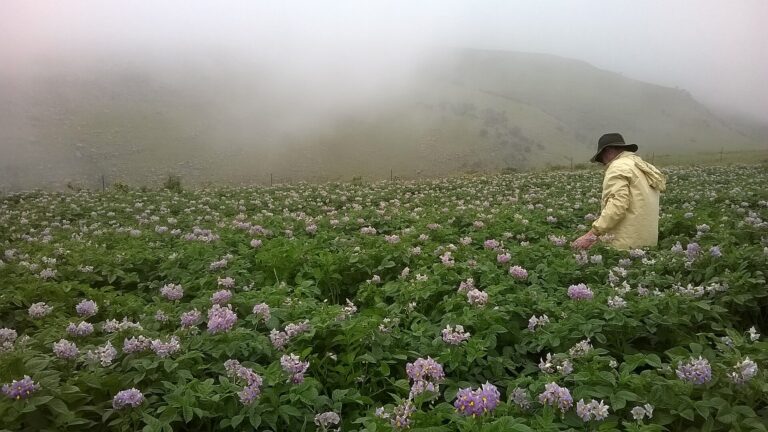
Photo: A potato farm in Mazandaran province, Iran (illustrative). V.H / ვიკიპედია, CC BY-SA 4.0
გლობალური კარტოფილის მიმოხილვა
ხუთი საუკეთესო სიახლე, ფასები, დაავადებების შესახებ შეტყობინებები და ღონისძიებები. სამუშაო დღეებში დილაობით, რეკლამის გარეშე.
შემდეგი რა არის
Watch whether Iran lifts the March 2026 export ban for potatoes and whether FAOSTAT revises its series. Importers in Afghanistan, Iraq and Central Asia will adjust sourcing to these decisions.
წყაროები
- FAOSTAT, კულტურები და მეცხოველეობის პროდუქტები (QCL) — https://www.fao.org/faostat/en/#data/QCL
- ჩვენი სამყარო მონაცემებში, კარტოფილის წარმოება (FAOSTAT-ის მონაცემები) — https://ourworldindata.org/grapher/potato-production
- ჩვენი სამყარო მონაცემებში, კარტოფილის მოსავლიანობა (FAOSTAT-ის მონაცემები) — https://ourworldindata.org/grapher/potato-yields
- Khorami S., Hasani Moghadam M., Analysis of Iran's Potato Market until 2021, AMC Journal 6(2), 2022 — https://oiccpress.com/amc/article/download/5513/2205/3225
- Just Food, Iran bans all agri-food exports (3 March 2026) — https://www.just-food.com/news/iran-bans-all-agri-food-exports/
- ოდინ ისტოჩნიკი
ბმული ამ მასალაშია
- ქვეყანა
- ირანის
- განყოფილებები
- აზიასიახლეები - HUASHIL
დაკავშირებული ისტორიები

თურქეთი: ნიგდეს ინსტიტუტი ჰიდროპონიკური სისტემიდან სუპერელიტურ მინიტუბერებს იღებს

ბელარუსი: კარტოფილის მოსავალი გეგმის 43%-ს აღწევს, მწარმოებლებმა 317 000 ტონა თხრიან