პერუ: კარტოფილის წარმოება 2000 წლიდან 6.58 მილიონ ტონამდე გაორმაგდა, მოსავლიანობამ კი 19.5 ტ/ჰა-ს მიაღწია
ძირითადი მიღება
- 6.58 Mt of potatoes harvested in Peru in 2024 (FAOSTAT)
- წარმოების 2-ჯერადი ზრდა 2000 წლიდან, 3.27 მილიონი ტონიდან
- 19.5 t/ha average yield in 2024, up from 11.5 t/ha in 2000
- 710,000 families grow potatoes across 19 Peruvian regions
რატომ არის მნიშვნელოვანი
- ფერმერებისთვის
- Benchmark your yield against the national 19.5 t/ha; if you are below it, start with certified seed and a soil test before adding more land.
- პროცესორებისთვის
- Plan raw material with a 20% buffer: Peruvian national output swung by about a fifth between 2023 and 2024.
- ტრეიდერებისთვის
- Track highland weather in Puno, Huánuco and Ayacucho early; these regions hold the largest potato areas and drive national supply.
- მომწოდებლებისთვის
- Target the yield gap: position seed, fertiliser and small-scale equipment for farms averaging under half a hectare per family.
- ინვესტორებისთვის
- Treat Peru as a volume market with low yields; returns will come from productivity services, not from new land.
60-წამიანი შეჯამება
Peruvian potato growth is a yield story on a fragmented base. Output reached roughly 6.5 million tonnes in 2024 by both the FAO series and the national ministry, about double the level recorded at the start of the century and some 20% above the previous season. Average productivity climbed from 11.5 to 19.5 tonnes per hectare, while harvested land stayed near 314,000 hectares. That land is split among more than 710,000 families, so a typical holding is well under one hectare, mostly in highland regions led by Puno and Huánuco. The crop is worth S/ 8.3 billion and supplies over 95 kg per person each year. For input companies, the distance to the 35 t/ha seen in Argentina is the commercial prize. For buyers, weather-driven swings of a fifth in national volume are a real planning risk. Caveat: area per family is an average derived from ministry totals, and regional hectares refer to 2023.
Peru harvested 6.58 million tonnes of potatoes in 2024, according to FAOSTAT data published by Our World in Data. In 2000, the country produced 3.27 million tonnes. Output has therefore roughly doubled in 24 years.
The Ministry of Agrarian Development and Irrigation (MIDAGRI) gives a similar figure. It reported 6.52 million tonnes for 2024, against 5.43 million tonnes in 2023. FAOSTAT shows 5.46 million tonnes for 2023. Both sources point to a jump of about 20% in one year.
Yield, not land, drove the growth
Average yield rose from 11.5 t/ha in 2000 to 19.5 t/ha in 2024, according to FAOSTAT. In 2014 it was 14.8 t/ha. Harvested area moved much less. The ministry counted 313,606 harvested hectares in 2023, down from 330,790 hectares in 2022.
სამუშაო დღეებში. გამოწერის გაუქმება ერთი დაწკაპუნებით.
The crop is highly fragmented. More than 710,000 families grow potatoes, according to MIDAGRI. On average, that is less than half a hectare per family. Production covers 19 regions, and about 90% is concentrated in the highlands. The largest areas in 2023 were in these regions: Puno (54,960 ha), Huánuco (42,736 ha), Ayacucho (30,552 ha), Cusco (29,156 ha) and La Libertad (26,550 ha).
Potatoes are a core food. Consumption is above 95 kg per person per year, according to the ministry. The 2024 crop was worth S/ 8.314 billion. That equals 10.5% of the value of national agricultural production. The crop also generates more than 27 million working days per year. More than 4,000 potato varieties are registered in the country.
ზრდისთვის განკუთვნილი ადგილი
A yield of 19.5 t/ha is still modest. FAOSTAT shows 35.8 t/ha in Argentina and 34.5 t/ha in Chile in 2024. Most Peruvian potatoes grow on small highland plots. Weather therefore moves the national total strongly from year to year.
რატომ არის მნიშვნელოვანი
Peru is the largest potato producer in Latin America, according to MIDAGRI. Its supply depends on hundreds of thousands of small farms, not on a few large growers. The swing between 2023 and 2024 shows that national output can change by a fifth in one season.
For seed, fertiliser and machinery suppliers, the gap between 19.5 t/ha and about 35 t/ha in neighbouring countries is the main opportunity. For buyers, the fragmented supply base means volatile volumes and prices.
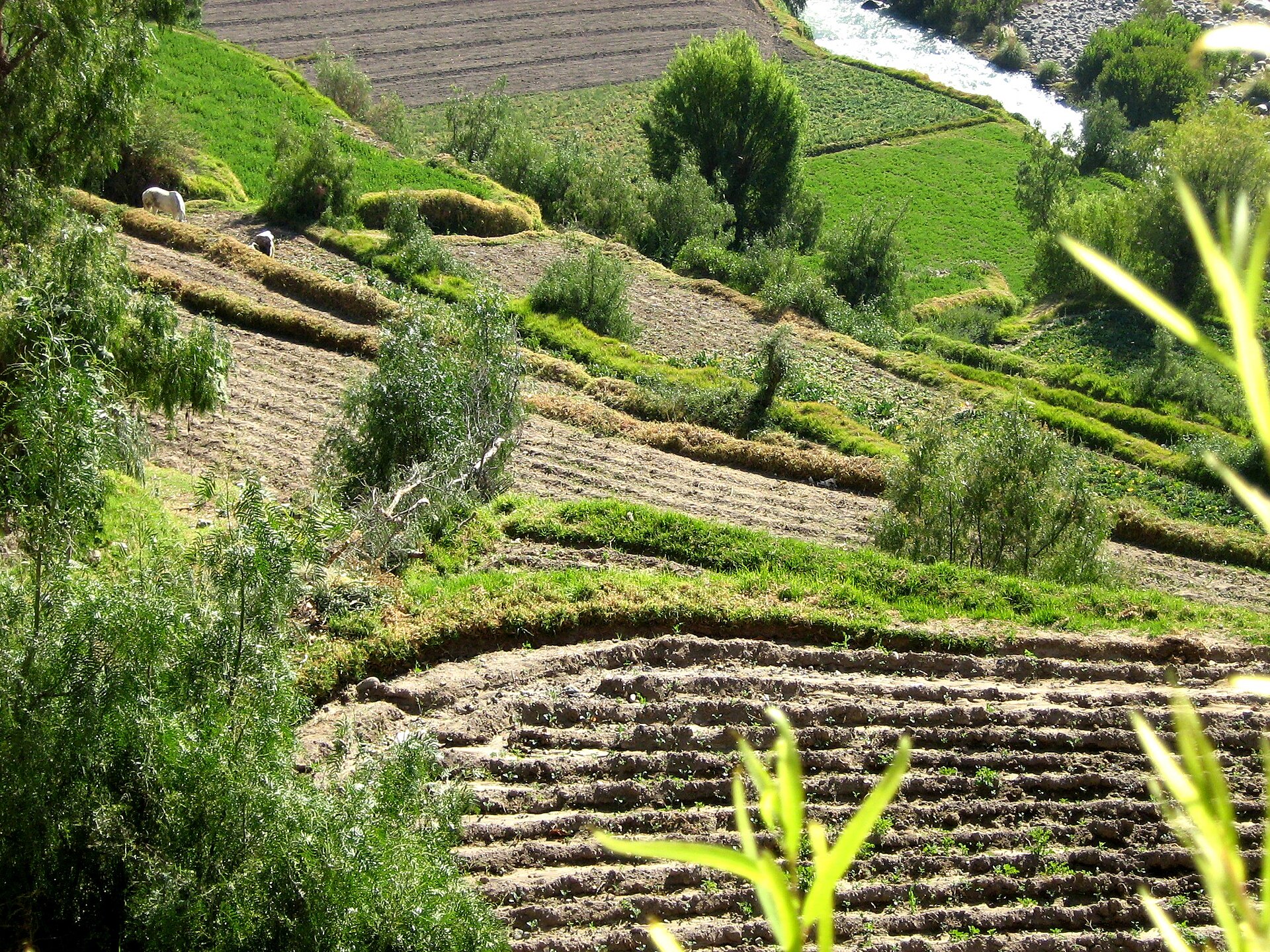
Photo: Terrace farming in the Andes, Peru (illustrative). J. Thompson / ვიკიპედია, საჯარო დომენი
გლობალური კარტოფილის მიმოხილვა
ხუთი საუკეთესო სიახლე, ფასები, დაავადებების შესახებ შეტყობინებები და ღონისძიებები. სამუშაო დღეებში დილაობით, რეკლამის გარეშე.
შემდეგი რა არის
Next FAOSTAT and MIDAGRI releases will show whether the 2024 jump holds. The texts give no forecast for 2025 or 2026.
წყაროები
- Agraria.pe (datos de MIDAGRI), 30.05.2025 — https://agraria.pe/noticias/midagri-mas-de-710-mil-familias-en-peru-se-dedican-al-cultiv-39614
- FAOSTAT Our World in Data-ს მეშვეობით, კარტოფილის წარმოება — https://ourworldindata.org/grapher/potato-production
- FAOSTAT Our World in Data-ს მეშვეობით, კარტოფილის მოსავლიანობა — https://ourworldindata.org/grapher/potato-yields
ბმული ამ მასალაშია
- ქვეყანა
- Peru
- განყოფილებები
- აგრონომიაამერიკისსიახლეები - HUASHIL
დაკავშირებული ისტორიები
ბოლივია: კარტოფილის მოსავალმა 1.38 მილიონ ტონას მიაღწია, მაგრამ მოსავლიანობა ჰექტარზე 6.5 ტ-ს არ ჩამორჩება
მაროკო: კარტოფილის წარმოება 2000 წლიდან 2.19 მილიონ ტონამდე გაორმაგდა, მოსავლიანობამ კი 32.8 ტ/ჰა-ს მიაღწია