მისაბმელიანი თუ თვითმავალი: რა განსაზღვრავს კარტოფილის საკრეფი მანქანის არჩევანს
ძირითადი მიღება
- 120–160 ha is the upper range for a trailed harvester
- 200 ha is where a self-propelled machine becomes viable
- 5 years of payback were expected by one grower in 2018
- £500,000 was the top price of a self-propelled machine
რატომ არის მნიშვნელოვანი
- ფერმერებისთვის
- Calculate the break-even area for your farm and include operator costs, repairs, spare parts and the cost of a lost harvest day before choosing.
- მომწოდებლებისთვის
- Buyers weigh warranties and buy-back guarantees as protection against depreciation; include them in offers for self-propelled machines.
60-წამიანი შეჯამება
Growers expanding their potato area often weigh a move from a trailed to a self-propelled harvester, and farm size is the first filter. A British benchmark from 2018 puts the useful limit of a tractor and trailed machine at about 120–160 hectares, with self-propelled units paying off from around 200 hectares. Costs at that time ranged from about £140,000 for a new trailed machine to £500,000 for a self-propelled one, and one grower planned a five-year payback over seven years of use. Beyond price, self-propelled harvesters tend to deliver a cleaner crop that can go straight to store, while trailed machines have kept working in wet fields when others stopped. Labour, field layout, compaction and resale protection also count. Farms should compare total ownership costs, including the price of a lost harvest day. The price benchmarks are eight years old and come from the UK market.
Farms that grow more potatoes sooner or later face the same question. Should they move from a trailed harvester to a self-propelled machine? The price difference is large. Practitioners also disagree on basic points, such as which type works better in rain.
A guide by the British magazine Farmers Weekly, published in 2018, gives useful benchmarks. According to the magazine, a tractor with a trailed harvester stays competitive on farms with up to about 120–160 hectares of potatoes. A self-propelled machine usually becomes competitive from about 200 hectares.
The capital cost differs widely. In the 2018 figures, a new trailed harvester cost about £140,000. A self-propelled harvester cost up to £500,000. A tractor and a trailed machine together came to about £345,000. These prices are now eight years old, but the ratio still shows the scale of the decision. One grower in the article expected his self-propelled machine to pay for itself in about five years. He planned to keep it for seven years.
სამუშაო დღეებში. გამოწერის გაუქმება ერთი დაწკაპუნებით.
დასუფთავება და დამუშავება
Self-propelled machines often clean the crop more thoroughly. According to Farmers Weekly, this can allow delivery straight from the field to the store and reduce handling damage. For farms with few workers at the picking table, this is an important argument.
Rain and heavy soil
Many growers believe that self-propelled harvesters cope better with rain. Practice is less clear. One operator quoted in the 2018 article said his trailed machine could keep travelling and harvesting when others had stopped. In the chat discussion, growers also compared the width of the intake and two intake designs: with rollers and open. The result depends on the specific machine, tyres and soil, not only on the type of drive.
სხვა ფაქტორები
The magazine lists further points to check. They include the availability and training of operators, the size and spread of fields, access roads, soil compaction, and protection against depreciation through warranties or buy-back agreements. A trailed harvester also leaves the tractor free for other work outside the harvest season.
Our analysis of the choice between a new and a rebuilt harvester was published on 22 September.
რატომ არის მნიშვნელოვანი
A harvester is a decision for five to seven years, not a one-off purchase. A wrong estimate of the break-even area ties up capital. A poor match between the machine and the soil costs a share of the marketable crop. Growers should calculate the full cost of ownership: price, operator, repairs, spare parts and the cost of a lost harvest day.
თემა პრაქტიკოსებმა MAX Messenger-ის ჩატში წამოჭრეს «КАРТОФЕЛЬ И Т.Д. (კარტოფილი და ა.შ.)», 1,100-ზე მეტი კარტოფილის მწარმოებლისა და ინდუსტრიის სპეციალისტის საზოგადოება. მონაწილეთა ვინაობა არ სახელდება. შემოგვიერთდით დისკუსიაში.
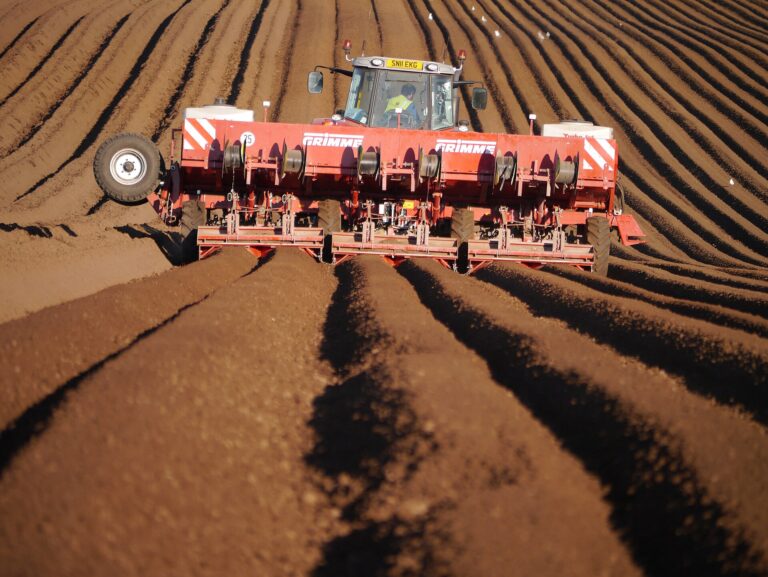
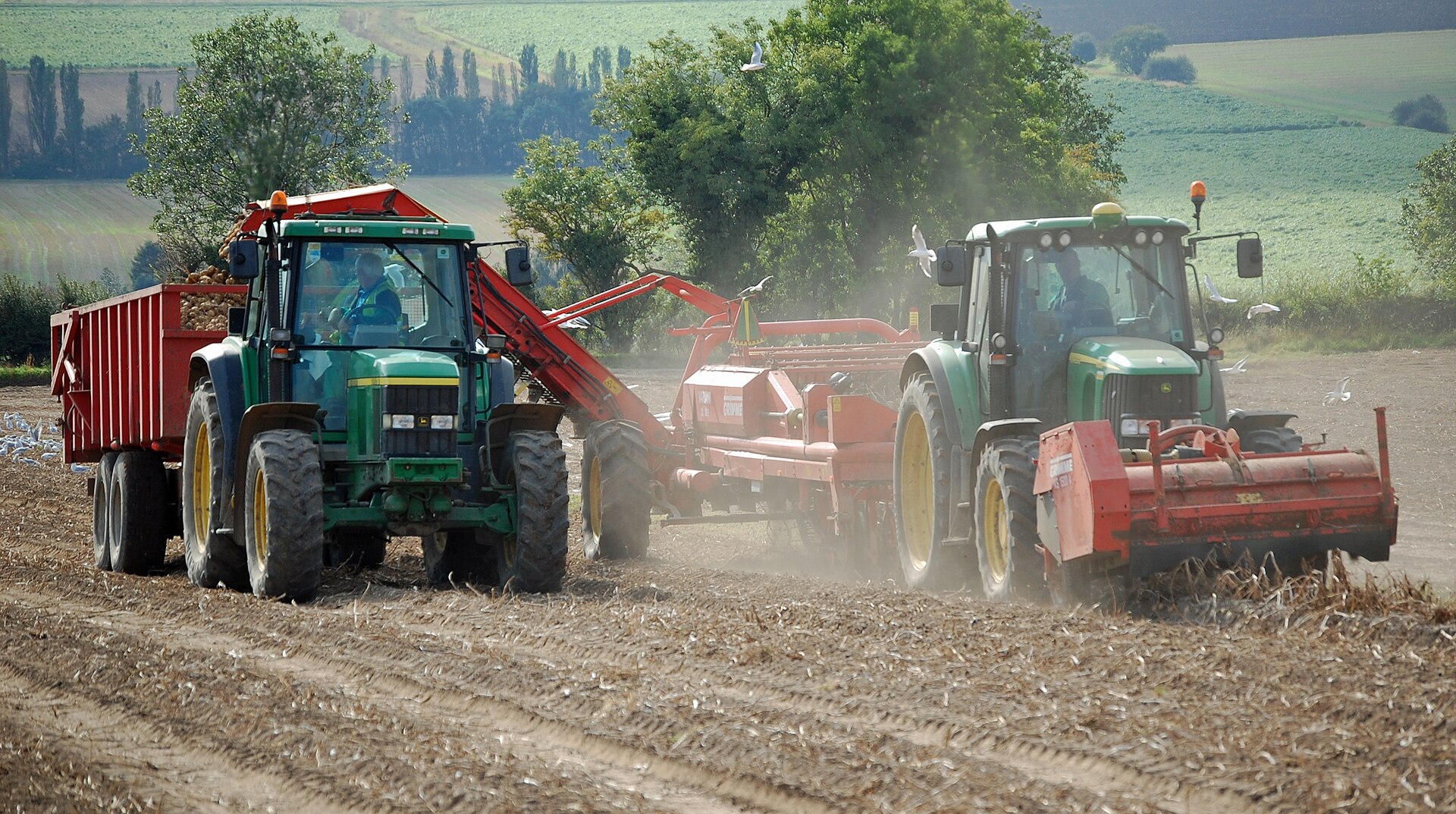
სურათი: კარტოფილის აწევა ტრაქტორითა და მისაბმელიანი მოსავლის აღების მანქანით ბონბის მახლობლად, ჩრდილოეთ ლინკოლნშირი, ინგლისი, 2011 წელი. (illustrative). David Wright / Wikimedia Commons, CC BY 2.0
გლობალური კარტოფილის მიმოხილვა
ხუთი საუკეთესო სიახლე, ფასები, დაავადებების შესახებ შეტყობინებები და ღონისძიებები. სამუშაო დღეებში დილაობით, რეკლამის გარეშე.
წყაროები
- MAX ჩატი «КАРТОФЕЛЬ И Т.Д. (კარტოფილი და ა.შ.)» - https://max.ru/join/SViX6IyOKuJHB6-xuuepbMbts_zk4eiEYdXUpUWVu28
- Farmers Weekly, How to decide between trailed or propelled spud harvesters, 27 Sep 2018 — https://www.fwi.co.uk/machinery/root-crop-equipment/root-crop-harvesters/how-to-decide-between-trailed-or-propelled-spud-harvesters
- Prices and thresholds are 2018 UK benchmarks; the chat discussion is not quantified
ბმული ამ მასალაშია
- ქვეყანა
- მსოფლიო
დაკავშირებული ისტორიები
კარტოფილის მოსავლის აღების მანქანაზე გამოყოფის პარამეტრები: როგორ იცავს მოსავალს ქსელები და რხევა

ჯიშის არჩევანი აზოტის სტრატეგიაა: რატომ სჭირდება კარტოფილის ზოგიერთ ჯიშს გაცილებით ნაკლები სასუქი